
"Brazil coffee classification"
800 article(s) found
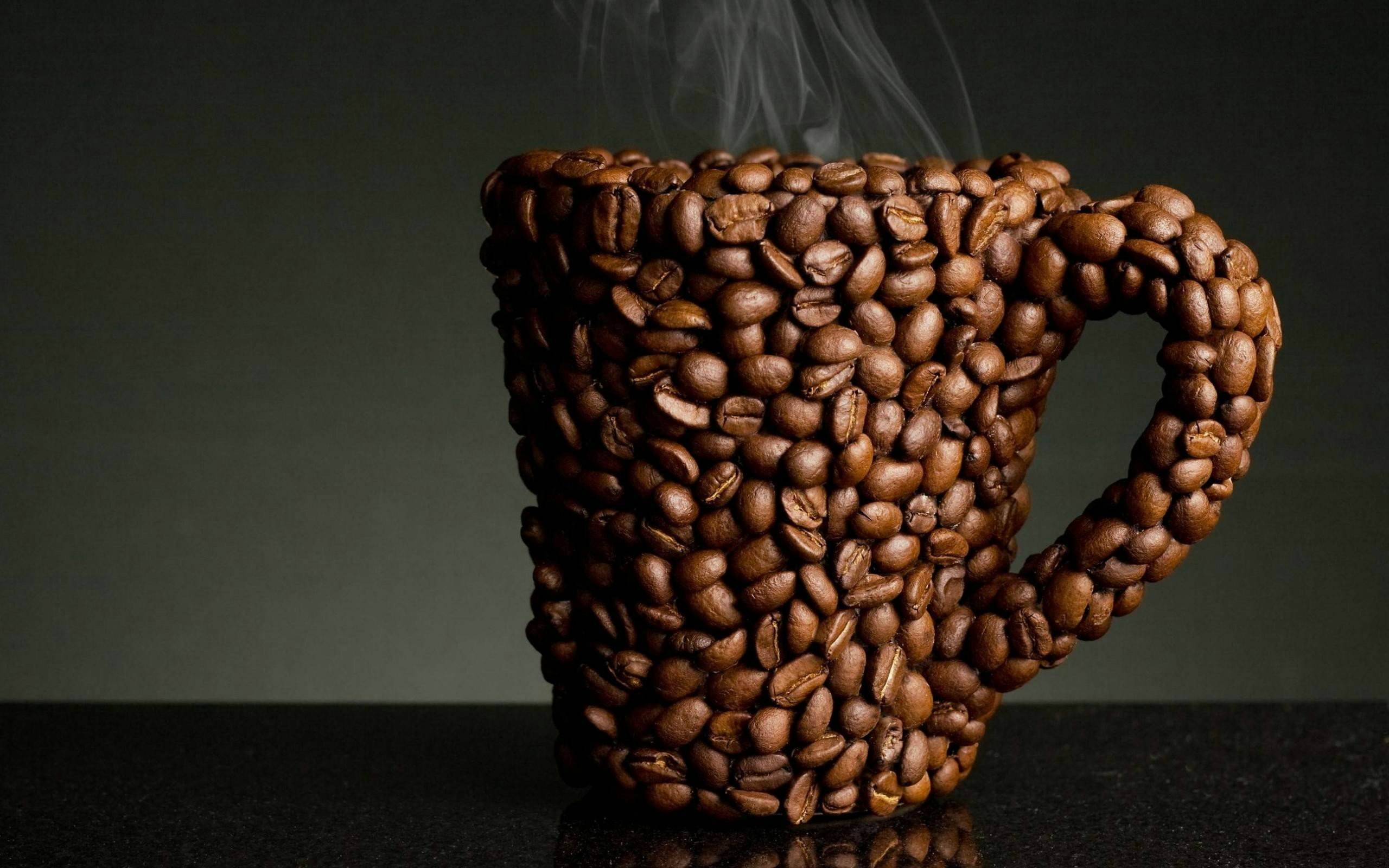
Flavor and taste characteristics of Brazilian coffee beans introduction to the historical story of coffee yield, production time, variety classification
Following Cafe Review (Wechat public account vdailycom) found that Beautiful Cafe opened a small shop with Brazilian coffee beans. Brazilian coffee is mostly Arabica, and the main varieties are Brubon, Mudona, Calaba and Raoukejimi. The current situation of coffee has been naturally favoured and has been cultivated in new places inland, and the state of Banana was born in Brazil after the war.

Classification, price, raw beans and roasting degree of washed coffee beans in Santa Rita, Colombia
Professional baristas exchange please pay attention to the coffee workshop (Wechat official account cafe_style) flavor: sugar, clean, medium mellow thickness located in northwest South America, Colombia is a beautiful country with a long history. Indians have lived on this land since ancient times. It was colonized by Spain in 1531 and gained independence in 1819. Reform in 1886
Colombia beans have different styles. It was once the second biggest in Brazil.
Colombia Aroma 3.5 Brightness 4.5 Full-bodied 3.5 Flavor 4.5 Aftertaste Roast: Medium/City/Full city/Espresso/Dark/French Colombia beans are among the few roasted coffee beans that range from light to deep roast, from light roast clean brightness to deep roast sweetness. In this wide range, Colombia beans are all roasted.

Ethiopian coffee beans G1 and G2 are just different in the number of defective beans.
Ethiopian coffee beans G1 and G2 are just different in the number of defective beans? the characteristics of the variety introduce that defective beans are an important factor that destroys the flavor of the final coffee. Therefore, defective beans should also be removed in the last step of raw bean processing. This has the problem of the number of defective beans, so according to the proportion of defective beans, supplemented by the size of the screen is also a way of classification. Due to the trend of boutique coffee

This is the second largest coffee producer in Brazil, Colombian coffee boutique coffee.
Columbia (Colombian) aroma 3.5 minutes brightness 4.5 minutes mellow 3.5 minutes flavor 4.5 minutes aftertaste 4.5 minutes suitable for baking degree: Medial/City/Full city/Espresso/Dark/French Columbia beans are a small number of roasted coffee beans ranging from shallow roasting to very deep roasting, from light roasting clean brightness to deep roasting sweetness, in such a wide range, Colombian beans will

Introduction to the classification of boutique Kenyan coffee
◎ grades defective beans by the number of points, which is the earliest method of grading, and is still in use in many parts of Brazil. The method of identification is to randomly take 300 grams of samples and put them on black paper, because black paper can best avoid reflection. Then, examined carefully by the professional appraiser, find out the defective beans in the sample, and accumulate different scores according to the types of defects. For example, one black bean counts as one.

Classification of coffee beans to distinguish defective beans
Grading by the number of points of defective beans is the earliest classification method, and it is still in use in many parts of Brazil. The method of identification is to randomly take 300 grams of samples and put them on black paper, because black paper can best avoid reflection. Then, examined carefully by the professional appraiser, find out the defective beans in the sample, and accumulate different scores according to the types of defects. For example, one black bean counts as one point.
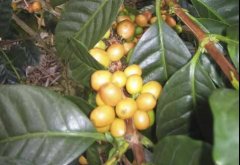
Classification of coffee varieties of coffee beans Pacamara (Pacamara)
Pacamara coffee is a hybrid of Pacas Pacas (a sudden variant of the bourbon species) and giant bean Maragogype (a sudden variant of the Tibica species found in Brazil) found in El Salvador in the 1950s. The coffee tree is very tall, the branch spacing of the trunk is wider than that of Pacas Pacas, and the edge of dark green leaves is wavy. It is suitable for cultivation at the elevation of 900m to 1500m.

Description of graded Flavor of Guatemalan Coffee Variety introduction of Regional treatment method for Manor production
The so-called cup evaluation test is to evaluate the aroma and taste of raw coffee beans after being roasted and ground into powder and soaked in hot water (about 90 degrees). It is mainly divided into six grades: Strictly Soft is very mild, Soft is mild, Softish is mild, Hard is difficult, Rio is light iodine, Rioy is strong.

Arabica Coffee Bean Classification
Pay close attention to the coffee review (Weixin Official Accounts vdailycom ) and find that the beautiful coffee shop opens its own small shop Arabica beans are an important kind of commercial coffee. The result period is within three years, with high-quality aroma and sour taste. Arabica coffee beans are mainly produced in South America (except parts of Argentina and Brazil), Central America, Africa (Kenya, Ethiopia, etc.), mainly in the East
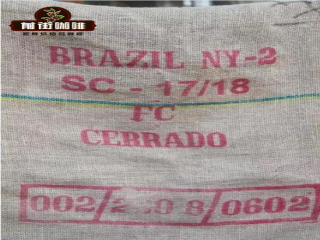
The taste characteristics of Brazilian coffee beans describe what Brazilian coffee beans taste good, and the Brazilian grading system is introduced.
Brazil is the most important coffee producer in the world, accounting for 1x3 of the world's total output, and it is also the second largest coffee consumer in the world (the first is the United States). The length of the dry season in Brazil may even affect the price of coffee in the world, especially due to the impact of the epidemic this year, the progress of coffee harvest in Brazil has slowed down. Brazil

How are raw coffee beans graded? the grading method of raw coffee beans in various countries
For the exchange of professional baristas, please pay attention to the rating methods of raw coffee beans in the coffee workshop (Wechat official account cafe_style). There are three main rating criteria for raw coffee beans, and different countries adopt different rating methods according to their own production conditions and national conditions (not all coffee producing countries adopt the same method). One: the reason for this is classified according to the altitude of the coffee producing area.

How to grade raw beans of Brazilian coffee? how to divide the grading system of Brazilian coffee?
Professional coffee knowledge exchange more coffee bean information please follow the coffee workshop (Wechat official account cafe_style) front street-Brazil coffee graded introduction coffee bean origin management methods are different, some are composed of large and small farmers, some are dominated by professional business owners, even in the same place of coffee, its quality and flavor are also different, in order to mark coffee products

Fresh coffee raw beans introduce varieties of coffee beans classification of coffee beans what are fresh coffee beans
From the fruit state of coffee beans when they are picked from the tree to the state of raw beans that can be baked, the moisture content of coffee beans will be controlled between 9% and 13%, and it is not easy to bake if the water content is too high or too low. Generally, we get newly collected raw beans with water washing treatment, the moisture content is usually about 11.5% to 12.5%, half-washed Mantenin may reach 13%, and half-washed Brazil is 11% ~ 12% per day.

Coffee Classification Basics Coffee Classification
Brazil (South America) Santos Coffee: The taste is mellow, neutral, and can be boiled directly, or mixed with other types of coffee beans. It is also a good choice. II. Colombia (South America) Mantenin: Rich and solid in taste, with a pleasant sour taste. Aroma mellow, moderate acidity, rich sweetness is very interesting, suitable for deep baking, emitting a strong aroma

How many kinds of coffee beans are there? What is the classification and characteristics of coffee beans? The basics of coffee Coffee
Professional coffee knowledge exchange more coffee bean information please follow the coffee workshop (Wechat official account cafe_style) how many kinds of coffee beans? What is the classification and characteristics of coffee beans? The basic knowledge of coffee the classification of coffee beans? Generally speaking, coffee beans are classified mainly by bean species, country of production, and manors or regions produced. Bean seed, our daily life

Classification of coffee what are the flavor characteristics of socialite coffee
The country with the largest coffee bean production in the world is Brazil in South America. The second place is Vietnam, but Vietnamese coffee beans are mainly used for instant and blended coffee (Robusta), while high-quality coffee usually uses Arabica (Arabica). The third is Indonesia, with more than 80% of Robusta varieties. This is followed by Colombia and Ethiopia.
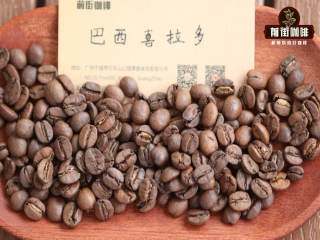
Brazilian sirado coffee beans brewing parameters suggested flavor characteristics bourbon varieties coffee grade classification
Semi-washed coffee is mainly produced in the Xilado region! It is characterized by coffee beans without fermentation tank maceration. This coffee acidity, sweetness, taste, and aroma are quite good. Coffee experts introduced that the use of semi-washed coffee beans mixed with less defective beans than the sun, and can retain

Coffee bean honey treatment classification there are several kinds of honey treatment coffee beans taste washed can not understand the sweetness of honey
Professional coffee knowledge exchange more coffee bean information please follow the coffee workshop (Wechat official account cafe_style) front street-coffee honey treatment classification introduction around 2000, half-sun treatment was introduced to Costa Rica, the place has made some changes on the basis of Brazil, because it is located in Central America, the moisture is heavy, after the peel of the coffee fruit is removed, if according to the Brazilian rinse
The classification of coffee beans the essentials of distinguishing coffee beans
● 's key to distinguishing coffee beans has recently been increasing the number of unroasted raw coffee bean stores across the country in response to the gourmet needs of customers. In the store, you can personally choose what you like from the raw coffee on display, and some stores can also bake it for you on the spot. In this way, you can taste the fried and fragrant coffee at home. Here, it will be